Guide
Hiring a heating contractor in Buffalo, New York
In Erie County, contractor licensing happens town by town. The City of Buffalo has its own heating license, and the suburbs each set their own rules.
The City of Buffalo heating license
Chapter 238 of the Buffalo City Code creates a Board of Heating Examiners and requires a heating contractor license, or supervision by a license holder, to install, alter, repair, service, reset or replace a heating system in the city. The license comes in three classes:
- Class I: any heating equipment using oil, gas or solid fuel.
- Class II: equipment using gas or solid fuel.
- Class III: limited to wood-burning fireplaces and stoves.
For a gas furnace, the contractor should hold Class I or Class II. Licenses expire on December 31 and are renewed every year, so ask about the current one. The code also requires each licensed contractor to keep an established place of business known to the city.
Oil burner work carries a separate city license under Chapter 186.
What the code expects on the job
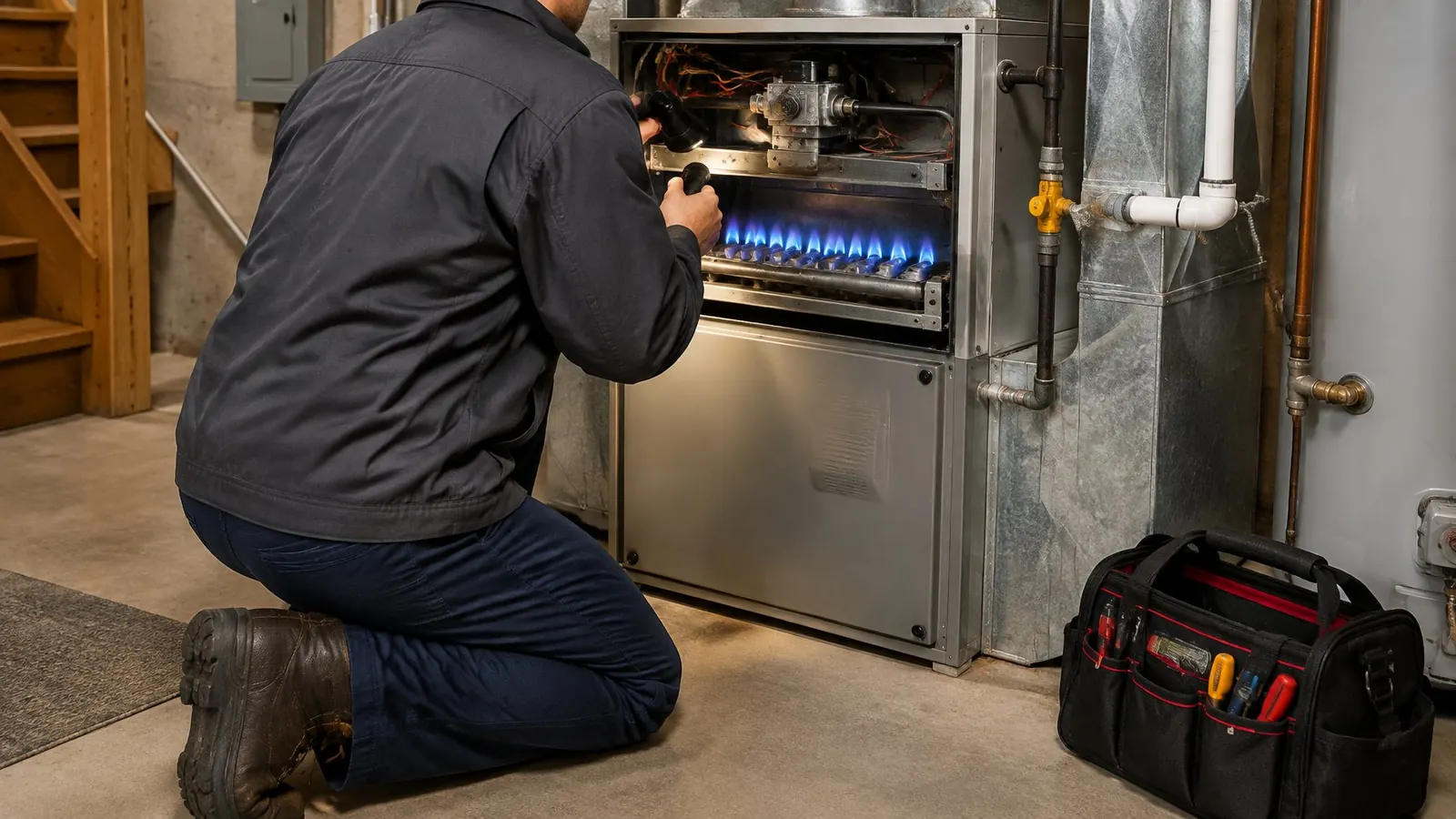
Knowing the rules makes it easier to spot a contractor who skips them. In the city, Chapter 238 has the licensed contractor obtain the permit before work, post a sign at the installation naming the license holder and the license expiry date, and test the system before handing it over, then file the test record with the Chief Combustion Inspector. The city's Fuel Devices page carries the applications and instructions.
The suburbs each do it differently
Erie County's consumer protection office says licensing and registration of contractors is handled by each municipality, and lists what each one requires. A few of the towns nearest Buffalo:
- Cheektowaga licenses plumbers and HVAC contractors.
- Amherst licenses home improvement contractors under Local Law 6 of 2011.
- Town of Tonawanda and City of Tonawanda each require contractor licensing.
- Kenmore has required contractor licensing since January 1, 2020.
- Lackawanna licenses electricians and plumbers.
- West Seneca licenses plumbers.
The county page also notes that Buffalo has required general contractor registration since 1989. Town-by-town details are on the towns page.
Questions worth asking on the first call
Which license covers this address?
City heating license class, or the town's contractor license, depending on where you live.
Who files the permit?
In the city, the contractor does it before work begins. In the suburbs, ask what the town requires.
Are you insured for this work?
Ask for liability and workers' compensation certificates. Several towns require both to issue a license.
Will I get the test readings?
Combustion, draft and gas leakage results show the job was checked, not just installed.
Is the scope in writing?
Model numbers, venting, ducts, gas and electrical, haul-away and warranty terms, all on paper.
Cold house, or a furnace you no longer trust?
Tell the contractor what you hear, see or smell at the furnace. Whoever picks up is with an independent heating and cooling contractor working around Buffalo, New York, and can lay out the next step.