Safety guide
Carbon monoxide and your furnace
Carbon monoxide has no color and no smell. A gas furnace that is running properly sends it outside. A furnace with a blocked vent or a damaged heat exchanger can send it into the house.
If a CO alarm sounds
Treat it as real until someone qualified says otherwise.
- Get everyone, pets included, outside into fresh air.
- Call 911 from outside, especially if anyone has a headache, dizziness or nausea.
- Leave the furnace off and do not go back in until responders say it is safe.
- Have the furnace and its venting inspected before using it again.
Amanda's Law, in brief
New York's carbon monoxide alarm requirement took effect on February 22, 2010, according to the State Division of Homeland Security and Emergency Services. It covers new and existing one- and two-family homes, multifamily buildings and rentals that have a fuel-burning appliance, system or attached garage. The statute is Executive Law section 378, subdivision 5-a.
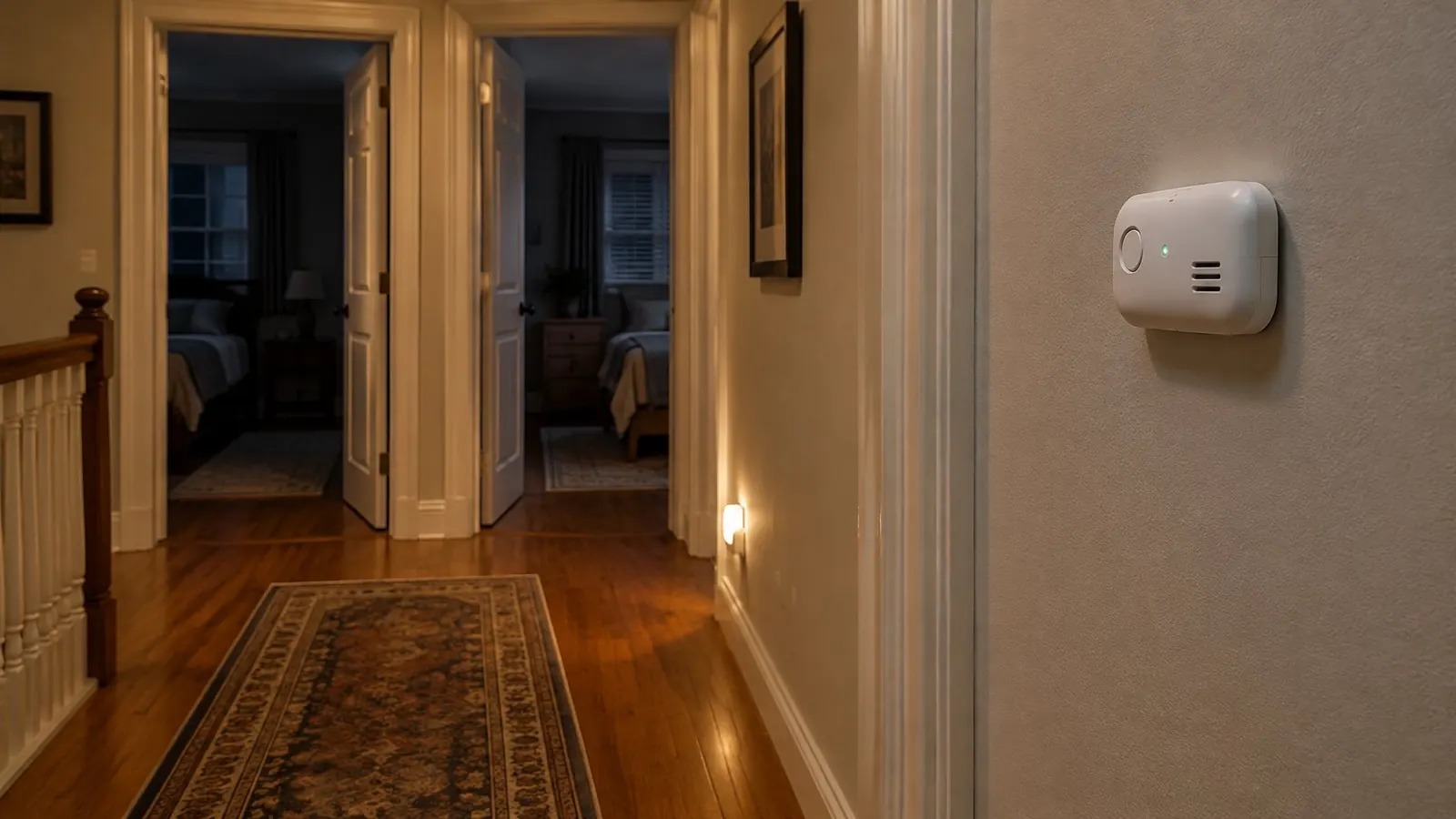
The division adds that alarms must be listed to UL 2034 or CSA 6.19 and installed following the manufacturer's instructions. It also passes on the National Fire Protection Association's recommendation: an alarm outside each sleeping area and on every level of the home.
How a furnace produces CO
The State Health Department lists malfunctioning, misused or improperly vented fuel-burning appliances, including furnaces, as common sources of carbon monoxide at home. With a furnace, the usual paths are:
- A flue or vent pipe that is blocked, disconnected or sloped the wrong way.
- A crack in the heat exchanger, the metal wall between the flame and the air that goes to your rooms.
- Burners starved of combustion air or set up wrong, which produce more CO than they should.
- An old masonry chimney with debris or a collapsed liner that stops exhaust from rising.
Winter in Buffalo adds a snow problem
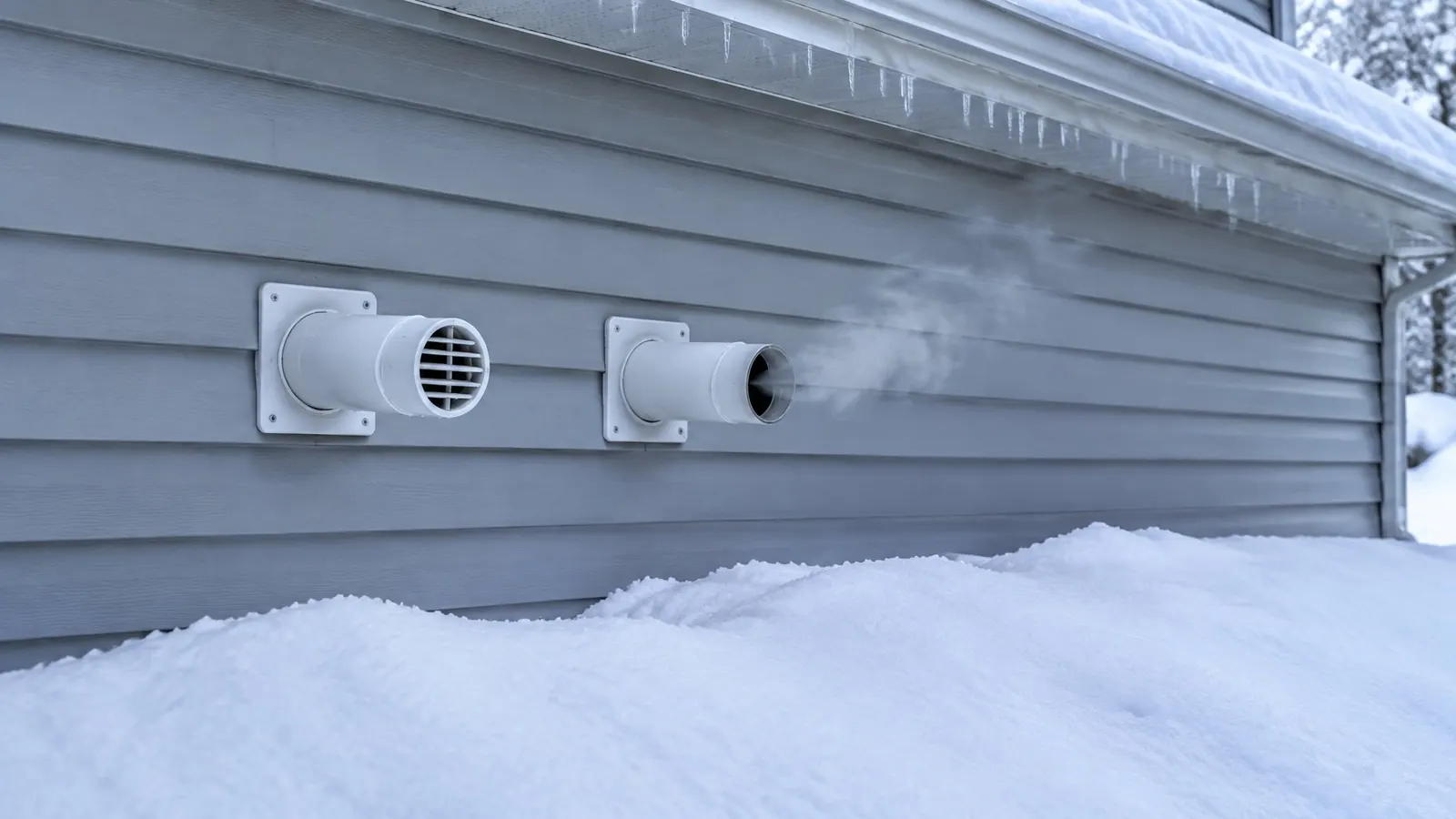
High-efficiency furnaces vent through plastic pipes in the side of the house, often not far above the ground. Drifting snow can bury them. Most furnaces shut down when the exhaust is blocked, but the safe habit is to clear both pipes after every heavy snowfall and after the plow pushes a bank against the house.
The Health Department makes the same point about cars: an exhaust pipe blocked by a snowbank can fill a running vehicle with CO.
Keeping the alarms working
The Health Department suggests testing CO alarms at least twice a year, when the clocks change, and notes that CO alarms stop working after several years, sooner than smoke alarms. Check the replacement date printed on the back. A CO alarm is not a substitute for maintaining the furnace, which the same page recommends doing every year.
Never heat the house with a gas range or oven during a furnace outage, and keep any portable generator outdoors, well away from windows and doors.
Cold house, or a furnace you no longer trust?
Tell the contractor what you hear, see or smell at the furnace. Whoever picks up is with an independent heating and cooling contractor working around Buffalo, New York, and can lay out the next step.