Furnace replacement
Furnace installation and replacement in Buffalo, New York
A new furnace is a twenty-year decision made in a cold week. This page lays out what goes into one in an older Buffalo house, so the questions are ready before the contractor arrives.
Signs the old furnace is near the end
Age alone does not condemn a furnace, but a few things together usually do:
- A heat exchanger crack or rust-through found during a service visit. That part separates flame from house air.
- Repairs to major parts in back-to-back winters: the inducer, the control board, the blower motor.
- Parts that are no longer made, so every repair becomes a hunt.
- Rooms that never reach temperature even after the filter, registers and thermostat check out.
- Soot around the burner area or a yellow, lazy flame instead of a crisp blue one.
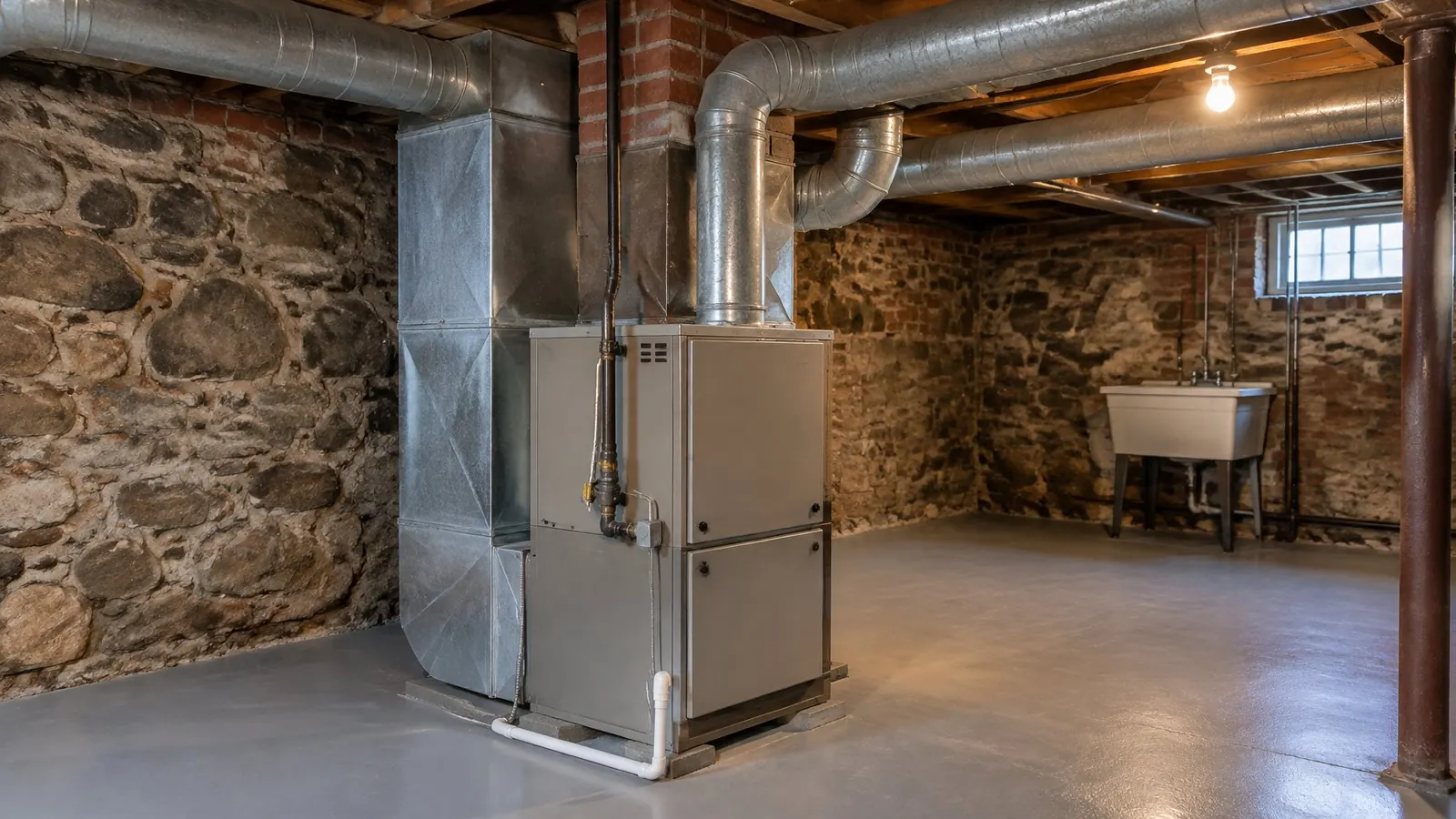
Size it from the house, not from the old nameplate
Plenty of older furnaces were sized generously, and the house around them has changed since: new windows, attic insulation, an enclosed porch. Matching the old nameplate can carry that mistake forward.
Buffalo builds the right approach into its permit. Under Chapter 238, the heating permit application must show the total building heat loss, along with the manufacturer, model number, type of system, fuel and chimney. A contractor filing a city permit has to work out the heat loss anyway, so ask to see the number and how it was reached.
An oversized furnace heats in short blasts, cycles often and leaves cold corners. An undersized one runs constantly on the coldest nights. The heat loss figure is what keeps both from happening.
Venting: the part that changes most
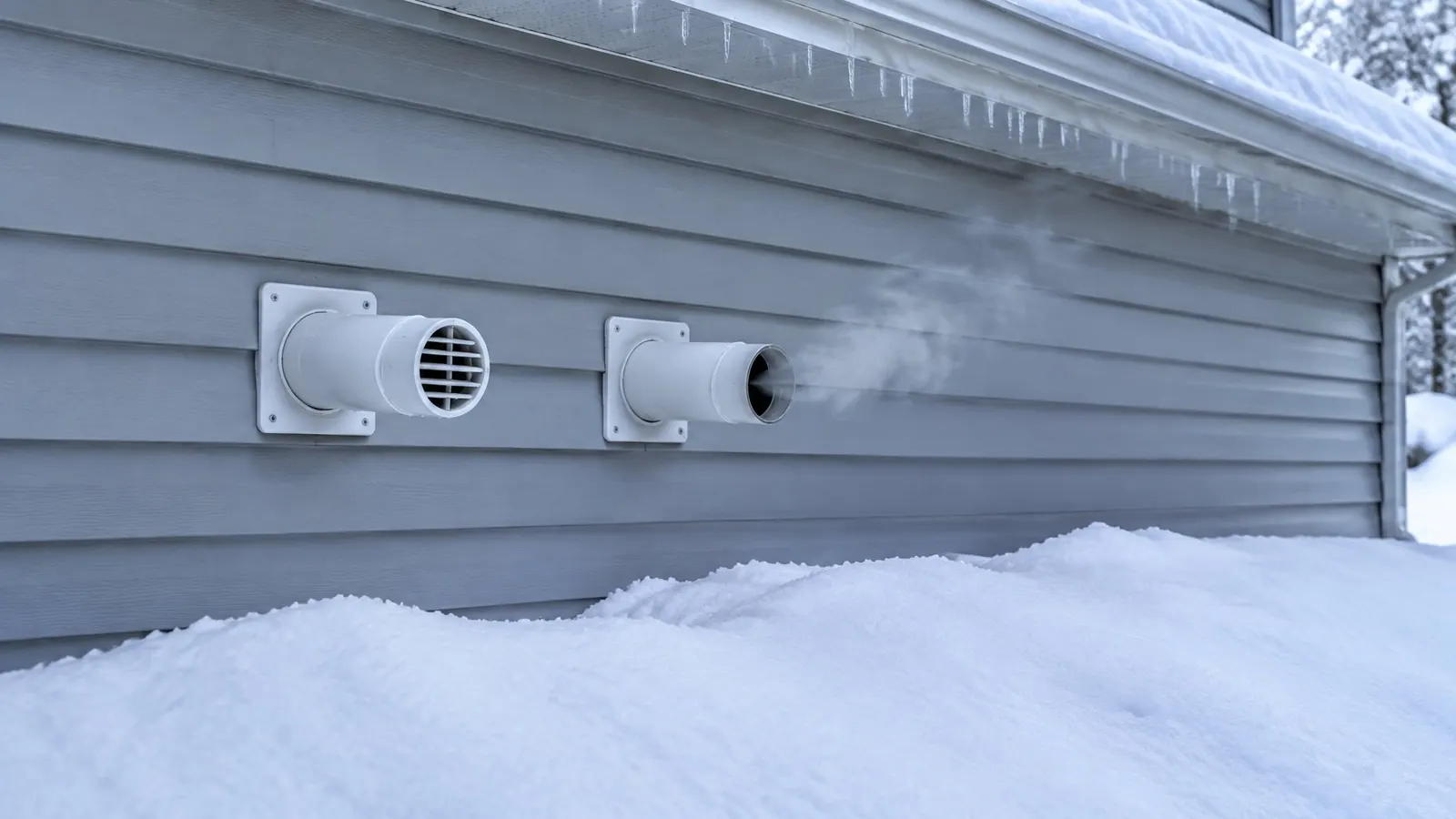
Older furnaces send hot exhaust up a masonry chimney or a metal flue. High-efficiency condensing furnaces pull so much heat out of the exhaust that it leaves cool and wet, so it goes out through plastic pipe, usually through a side wall, with a second pipe bringing in combustion air.
That switch raises questions worth asking:
- Where will the two pipes leave the house, and how high above the ground? In a snow belt, that height matters every winter.
- If a gas water heater still uses the old chimney alone, does the chimney need a liner once the furnace leaves it?
- Where will the condensate drain go, and what keeps that line from freezing?
- Will the intake and exhaust sit clear of windows, doors and the neighbor's side yard?
Ducts and returns in older houses
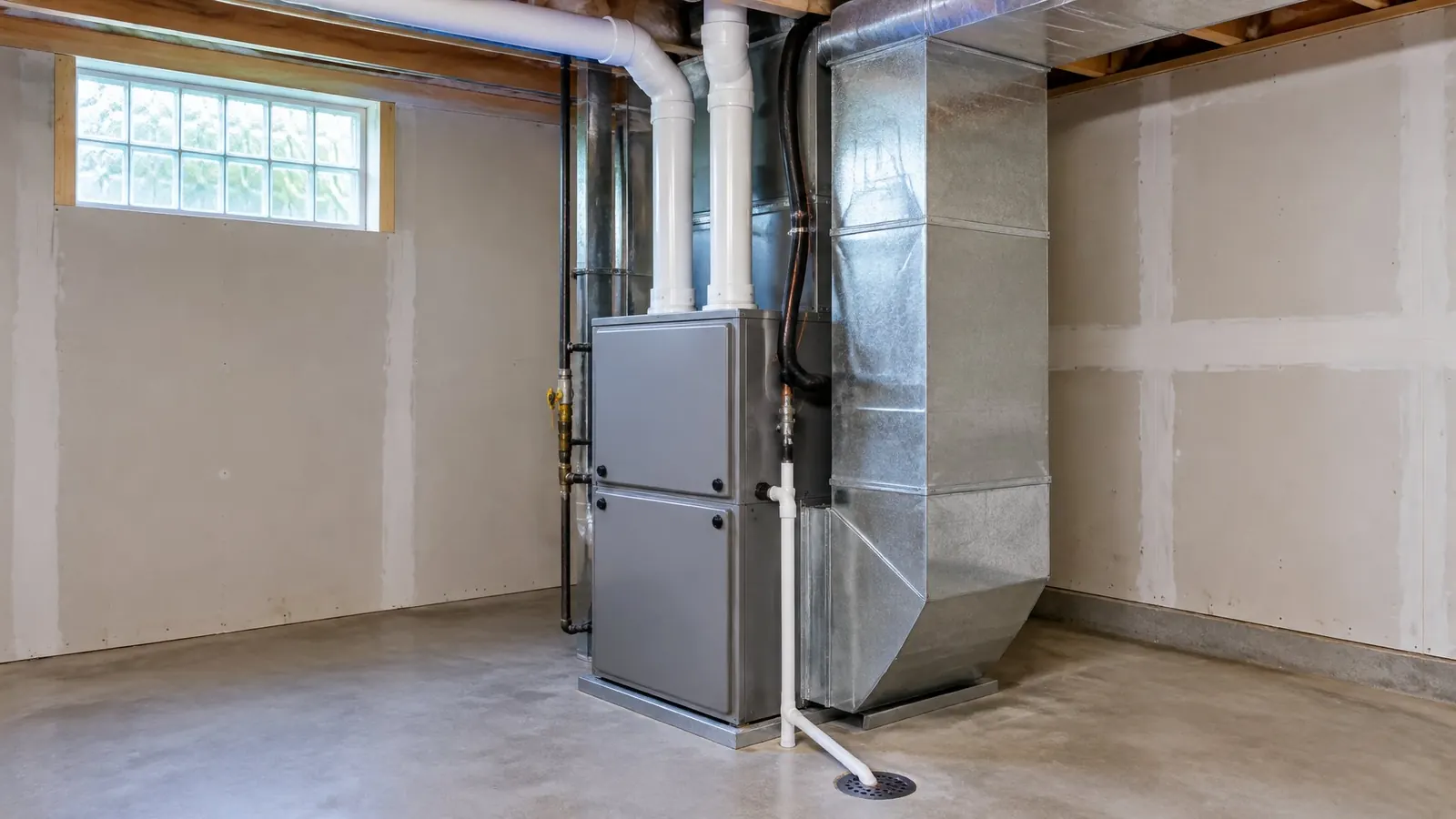
A new furnace pushes air through the ducts that are already there. In houses that started with gravity heat or have had rooms added, the returns are often too small. That starves the blower, trips the limit switch and makes the new unit noisy.
A good quote says whether the contractor checked static pressure, and whether any return or supply runs should be enlarged while the plenum is open anyway. It also says what happens to the old furnace and who hauls it out of the basement.
Oil to gas, and the gas service
Homes still on fuel oil have one more step. Buffalo licenses oil burner work separately under Chapter 186, and a gas furnace needs a gas service sized for it. National Fuel Gas Distribution serves Buffalo and lists the surrounding Erie County towns in its New York operating manual, so it is the utility to contact about service to the house.
Ask the contractor who arranges the gas side and whether the existing meter and piping can carry the new load.
Permit, sign, test: how a city install should run
In the City of Buffalo, Chapter 238 spells out the order of things for a heating installation:
- The licensed contractor applies for and receives the permit before work starts.
- A sign at the job names the heating contractor, the license holder's name and address, and when the license expires.
- Nothing is covered up until it has been inspected and approved.
- Before the furnace is handed over, it is tested: controls, gas and flue gas leakage, fuel use, stack temperature and draft.
- The contractor files a written record of those tests with the city's Chief Combustion Inspector.
Outside the city, each town runs its own permit. Amherst, for example, uses a mechanical-only permit that must be processed before work starts. See the town pages.
Carbon monoxide alarms come with the job
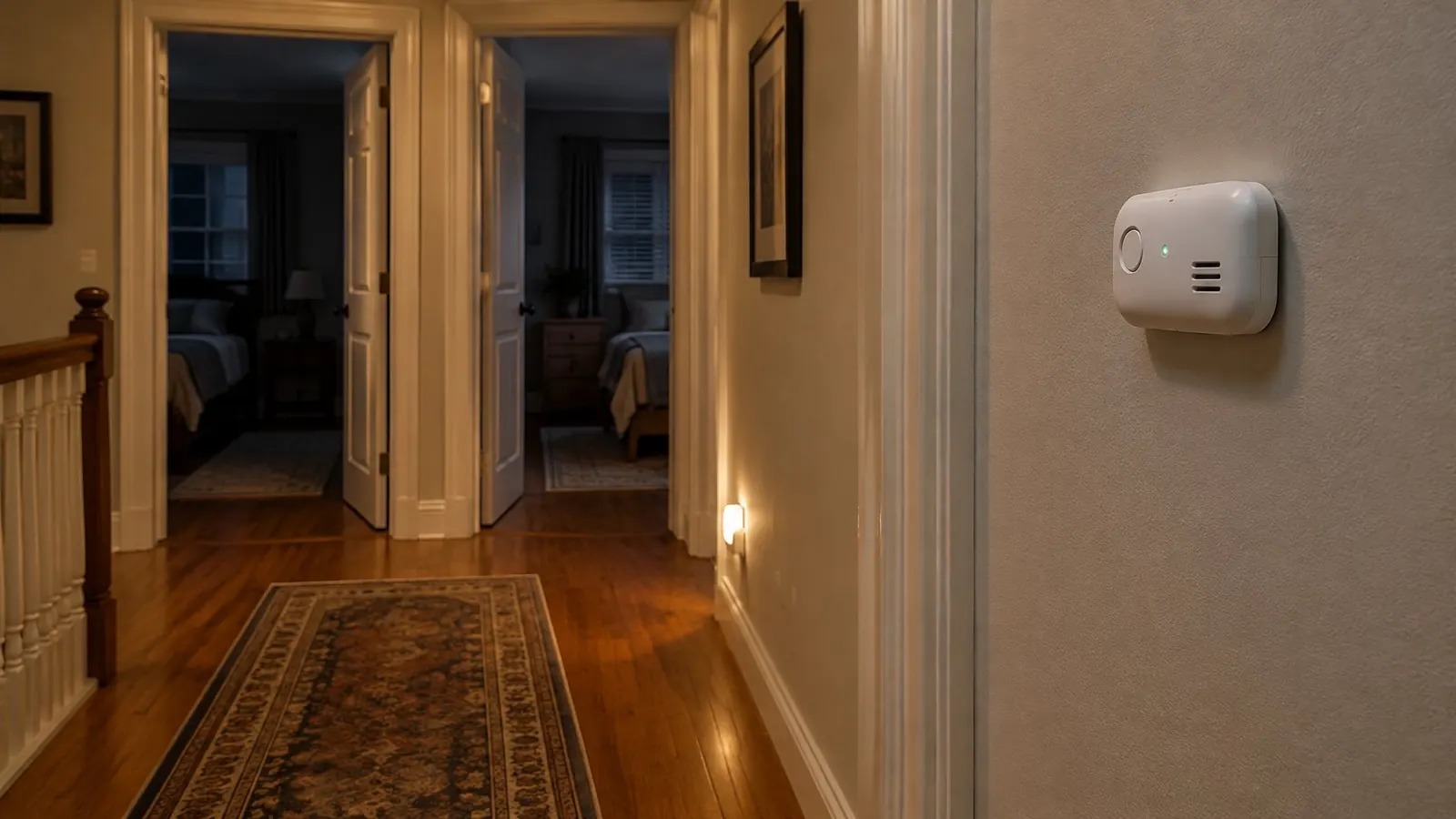
New York requires working CO alarms in one- and two-family homes that have fuel-burning appliances or an attached garage (Executive Law section 378). Some town permit forms say so outright: Amherst's mechanical permit lists smoke and carbon monoxide alarms installed to state code as a condition. A furnace change is a natural time to check the alarms' dates.
Replacing the air conditioning at the same time
If the house has central air, the cooling coil sits on top of the furnace. A new furnace is often a different height or width, so the coil may need new transition pieces or replacement. When the outdoor condenser is also old, doing both at once saves a second round of sheet metal and refrigerant work.
The central air page has more on that pairing.
What moves the price
No two quotes cover the same work, which is why prices vary so much. These are the items that make the difference:
- Furnace size and efficiency rating, and whether it has a single, two-stage or variable burner.
- Venting changes: new plastic runs, a wall penetration, a chimney liner for the water heater.
- Duct changes: new returns, a new plenum, transitions to an existing coil.
- Gas and electrical work, and any upgrade to either.
- Access: a narrow stairway, a crawl space, a finished basement wall in the way.
- Permit, inspection and removal of the old unit.
Ask each contractor to list these lines separately. Two quotes are only comparable when they describe the same job.
Questions to ask before you sign
What is the heat loss of this house?
Ask for the figure and the method, and compare the furnace size to it.
Which license do you hold?
In Buffalo, a Class I or Class II heating license covers gas furnaces. Outside the city, ask what the town requires.
Who pulls the permit, and when?
The city code puts that duty on the licensed contractor, before work begins.
Where do the vents go?
Ask to see the exit point on the house and how high it sits above the usual snow depth.
What is in the written scope?
Model numbers, venting, duct work, gas and electrical, haul-away, and test results at the end.
Questions
How long does a furnace replacement take?
A same-spot swap with similar venting is usually one working day. Venting changes, duct work or a gas upgrade add time, and inspection scheduling depends on the town.
Can the old furnace be replaced in the middle of winter?
Yes. It is common. Ask how the house stays protected from freezing while the heat is off, especially if the job runs past one day.
Should I choose a high-efficiency model?
In a cold climate the fuel savings add up, but the venting has to work for your house. The quote should explain the venting route, not just the efficiency number.
Do I need the old chimney?
A condensing furnace does not use it. A gas water heater still might, and the chimney may need a liner once it vents that appliance alone.
Cold house, or a furnace you no longer trust?
Tell the contractor what you hear, see or smell at the furnace. Whoever picks up is with an independent heating and cooling contractor working around Buffalo, New York, and can lay out the next step.